Red Chilli Flakes: A Growing Spice Trend in Vietnam’s Evolving Food Culture
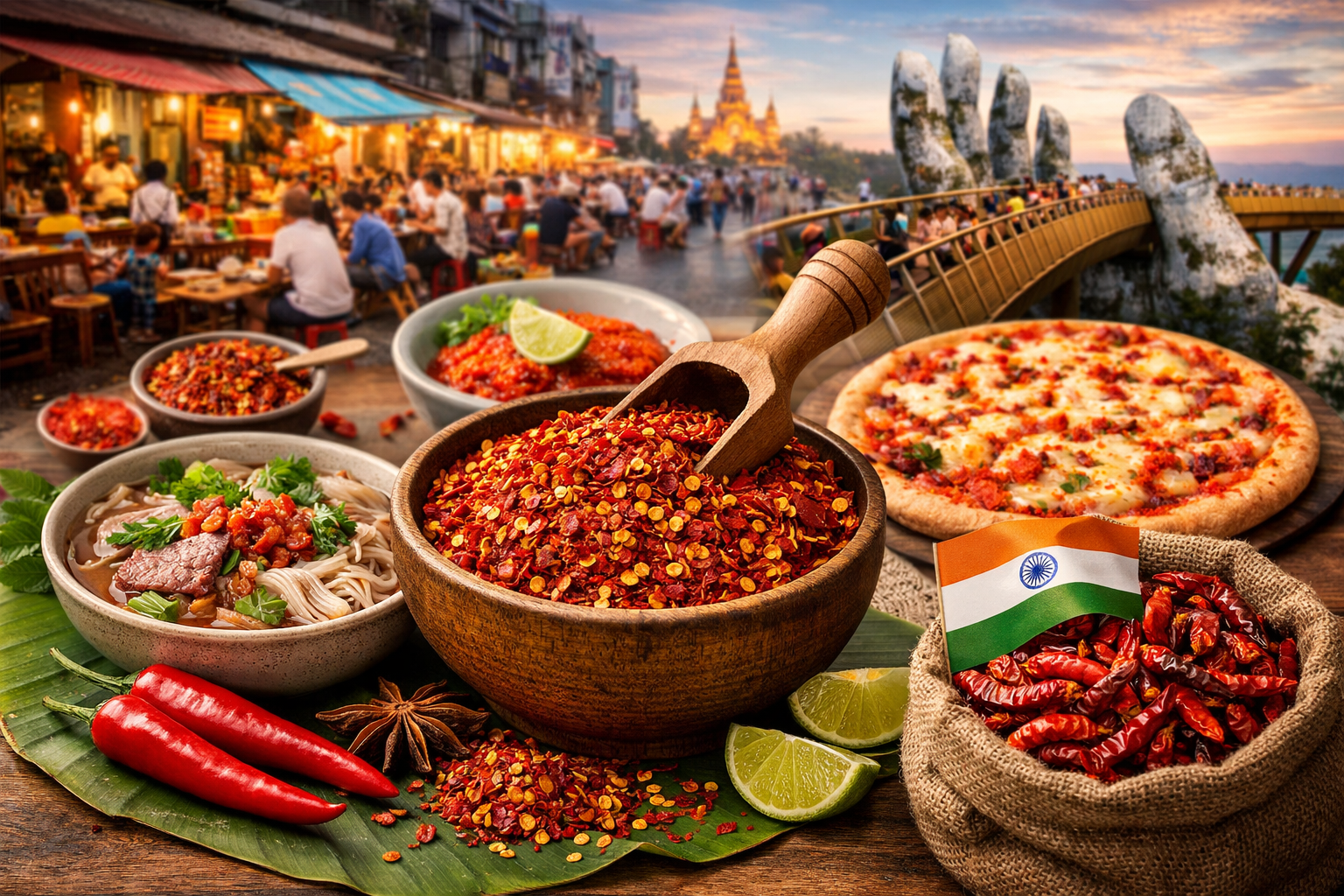
Vietnam is widely recognized for its rich culinary traditions, vibrant street food culture, and balanced flavors that combine sweet, sour, salty, and spicy elements. Spices and seasonings play an important role in creating the unique taste of Vietnamese cuisine. Among the many spices gaining attention in the country today, red chilli flakes are becoming increasingly popular. Their convenience, bold flavor, and versatility are making them a common ingredient in both traditional and modern Vietnamese kitchens.
Red chilli flakes are produced by drying mature red chilies and crushing them into small flakes. This simple process helps preserve the natural heat, color, and aroma of the chilies while giving the spice a longer shelf life compared to fresh chilies. The flakes contain seeds and dried chili skin, which together create a balanced level of heat and a slightly smoky flavor. Because of their strong taste and easy storage, red chilli flakes have become a practical seasoning for households, restaurants, and food businesses.
Vietnamese cuisine has always embraced spicy elements, though the level of heat varies from region to region. Fresh chilies are commonly served alongside dishes such as noodle soups, grilled meats, seafood, and dipping sauces. However, red chilli flakes are now being used more frequently because they offer convenience and consistency. Instead of chopping or slicing fresh chilies, cooks can simply sprinkle chilli flakes into a dish to add the desired level of spice. This saves preparation time and ensures that the flavor remains consistent in every serving.
Another important reason behind the growing demand for red chilli flakes in Vietnam is the country’s rapidly expanding food industry. Urban areas like Hanoi, Ho Chi Minh City, and Da Nang have seen a rise in restaurants, cafes, street food stalls, and international food chains. Many of these food establishments serve a variety of dishes that benefit from the addition of chilli flakes. Foods such as pizza, pasta, fried rice, grilled chicken, noodles, and fusion dishes often include chilli flakes as a topping or seasoning. It is now common to see small containers of red chilli flakes placed on restaurant tables so that customers can adjust the level of spiciness according to their personal taste.
The growing influence of global cuisine in Vietnam has also played a role in the popularity of red chilli flakes. As Vietnamese consumers explore international dishes and experiment with different cooking styles, spices like chilli flakes become essential ingredients in modern kitchens. Young consumers and food enthusiasts enjoy trying new recipes at home, and packaged spices provide an easy way to add flavor without complicated preparation.
From a business perspective, the rising demand for red chilli flakes presents strong opportunities for spice suppliers and exporters.
Vietnam’s food processing sector continues to grow, and the demand for high-quality spices is increasing. Restaurants, food manufacturers, and retail stores prefer products that are hygienically processed, properly dried, and carefully packaged to maintain freshness and quality. Consistency in flavor, color, and heat level is especially important for commercial kitchens that rely on reliable ingredients.
As demand continues to grow, Vietnam also relies on international spice suppliers to meet its market needs.
India, being one of the largest producers of red chilies in the world, plays an important role in the global spice trade. Many businesses in Vietnam are exploring opportunities to import red chilli flakes from India because Indian chilies are known for their vibrant color, strong flavor, and consistent heat level. Importing red chilli flakes from India helps food companies, distributors, and restaurants maintain a steady supply of quality spices for their products and menus.
Packaging and storage also play a key role in the popularity of red chilli flakes. Unlike fresh chilies, which spoil quickly, chilli flakes can be stored for longer periods without losing their flavor. This makes them suitable for bulk purchasing and distribution. Modern packaging methods help protect the spice from moisture and contamination while preserving its vibrant red color and strong aroma.
In addition to flavor and convenience, red chilli flakes also enhance the visual appeal of food. Their bright red color adds a decorative touch to many dishes, making meals look more appetizing. In today’s food industry, where presentation and aesthetics are increasingly important, ingredients that improve both taste and appearance are highly valued.
Health awareness among consumers has also contributed to the interest in natural spices. Many people prefer using spices like chilli flakes instead of artificial flavor enhancers because they provide natural heat and aroma. Chilies are also known to contain beneficial compounds such as capsaicin, which is associated with metabolism and digestive benefits. While chilli flakes are primarily used for flavor, their natural origin makes them an attractive option for health-conscious consumers.
As Vietnam continues to develop economically and culturally, its food culture is evolving as well. Traditional recipes remain an important part of daily life, but modern influences are introducing new ingredients and cooking methods. Red chilli flakes fit perfectly into this evolving culinary landscape because they complement both traditional Vietnamese dishes and international cuisines.
Overall, the growing popularity of red chilli flakes in Vietnam reflects changing consumer habits, expanding food industries, and a rising interest in convenient yet flavorful ingredients. For spice producers and exporters, especially those looking to export or supply red chilli flakes from India to Vietnam, the country represents a promising market where quality spices are increasingly valued. Red chilli flakes are not just a simple seasoning; they are becoming an essential ingredient in a dynamic and evolving food culture that continues to embrace bold flavors and culinary creativity.